



Frequently Asked Questions
What is Serengeti National Park known for?
Serengeti National Park is renowned for its awe-inspiring wildlife, breathtaking landscapes, and its pivotal role in the annual Great Migration. This vast protected area, spanning approximately 5,700 square miles in Tanzania, is a UNESCO World Heritage Site and an essential part of the country's natural heritage.
Three most important pieces of information:
- Serengeti National Park is celebrated for its remarkable wildlife and stunning landscapes.
- It's famous for hosting the annual Great Migration of wildebeests and zebras.
- The park is a UNESCO World Heritage Site, preserving Tanzania's natural treasures.
When is the best time to visit Serengeti National Park?
The best time to visit Serengeti National Park largely depends on your interests and what you hope to experience during your visit. Serengeti offers distinct seasons, each with its unique attractions.
Three most important pieces of information:
- The dry season, from late June to October, is excellent for wildlife viewing as animals gather around water sources.
- The Great Migration occurs from November to July, showcasing millions of animals crossing the plains.
- The wet season, from November to May, is ideal for birdwatching and lush green landscapes.
What kind of wildlife can I expect to see in Serengeti National Park?
Serengeti National Park is a wildlife enthusiast's paradise, teeming with a diverse array of animals. Here's a glimpse of the incredible fauna you can encounter:
Three most important pieces of information:
- The park is home to Africa's iconic "Big Five": lions, elephants, leopards, buffaloes, and rhinoceroses.
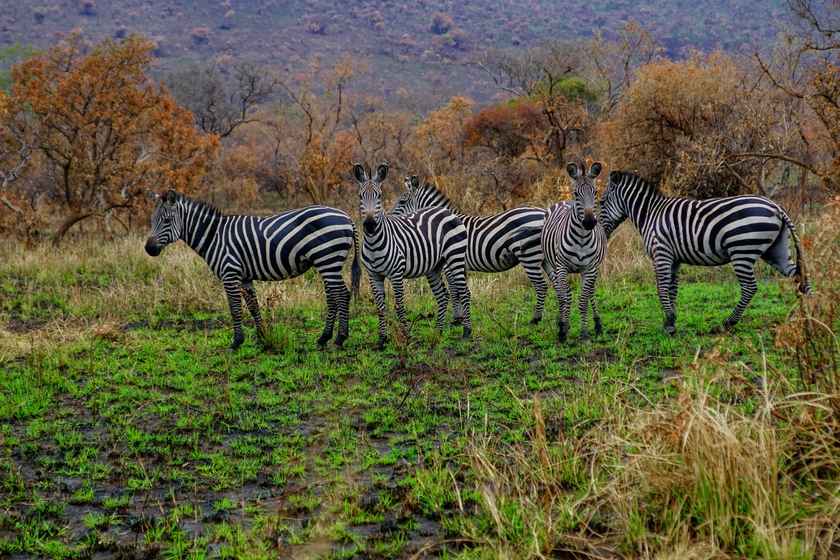
- The Great Migration features wildebeests, zebras, and gazelles in astounding numbers.
- Birdwatchers will delight in spotting over 500 bird species, including vultures, eagles, and flamingos.
How can I get to Serengeti National Park?
Reaching Serengeti National Park requires some planning, but the journey is well worth it. The park is accessible by various means, but the primary gateway is through Tanzania's major cities.
Three most important pieces of information:
- Most travelers fly into Kilimanjaro International Airport or Julius Nyerere International Airport in Dar es Salaam.
- From there, you can take a domestic flight to Seronera Airstrip, which is within the park.
- Alternatively, you can embark on a scenic road trip, but it's essential to use a reputable tour operator and ensure proper permits.
What types of accommodations are available in Serengeti National Park?
Serengeti National Park offers a range of accommodations to suit different preferences and budgets. Whether you seek luxury lodges or immersive camping experiences, you'll find suitable options.
Three most important pieces of information:
- Luxury lodges and tented camps provide a comfortable and lavish stay, often with stunning views and top-notch amenities.
- Budget-friendly options include public campsites and basic lodges, offering a more affordable way to experience the park.
- For a unique adventure, consider mobile camping, where you move with the wildlife, or stay in the park's designated campsites.
Are there any specific rules and regulations for visitors in Serengeti National Park?
Yes, there are rules and regulations in place to protect the park's delicate ecosystem and ensure the safety of both visitors and wildlife. Here are some important guidelines to follow:
Three most important pieces of information:
- Stay within designated paths and roads to minimize disturbance to wildlife and their habitats.
- Speed limits must be observed while driving through the park to prevent accidents and protect animals.
- Do not feed or approach animals; maintain a safe distance at all times to avoid dangerous encounters.
Can I book a guided safari in Serengeti National Park?
Absolutely! Booking a guided safari in Serengeti National Park is highly recommended, as it enhances your overall experience and ensures your safety while exploring the wilderness.
Three most important pieces of information:
- Numerous reputable tour operators offer guided safaris, which can be tailored to your interests and preferences.
- Experienced guides have extensive knowledge of the park's wildlife and can provide valuable insights during your journey.
- Guided safaris often include transportation, accommodation, and meals, simplifying your trip planning.
What should I pack for a trip to Serengeti National Park?
Packing wisely is crucial to ensure a comfortable and enjoyable visit to Serengeti National Park. Here's a checklist of essential items to bring:
Three most important pieces of information:
- Lightweight, breathable clothing in earthy tones to blend in with the surroundings and protect against the sun.
- Sturdy walking shoes or hiking boots for exploring on foot.
- Binoculars, a camera with zoom capabilities, and plenty of memory cards to capture the incredible wildlife and landscapes.
Is it safe to visit Serengeti National Park?
Serengeti National Park is generally safe for visitors, but like any wilderness area, it comes with its own set of risks. Adhering to safety guidelines and common-sense precautions is essential.
Three most important pieces of information:
- Follow the guidance of your tour guide and park officials at all times to ensure your safety.
- Be vigilant and cautious when encountering wildlife; maintain a respectful distance and avoid sudden movements.
- Stay updated on weather conditions and potential health risks, such as malaria, and take appropriate precautions.
Can I witness the Great Migration in Serengeti National Park?
Yes, Serengeti National Park is one of the prime locations to witness the spectacular Great Migration. This awe-inspiring natural phenomenon occurs annually, offering a once-in-a-lifetime wildlife spectacle.
Three most important pieces of information:
- The Great Migration typically occurs from November to July, with specific timing varying from year to year.
- To increase your chances of witnessing the Migration, consult with local guides who can provide up-to-date information on animal movements.
- Hot air balloon safaris are a unique way to get a bird's-eye view of the Migration, offering a breathtaking perspective of this natural wonder.
In conclusion, Serengeti National Park is a treasure trove of wildlife and natural beauty, offering an unforgettable experience for adventurers and nature enthusiasts. Planning your visit carefully, respecting the park's rules, and booking a guided safari will ensure a safe and rewarding exploration of this iconic destination.
FAQ about Ngorongoro Conservation Area
What is Ngorongoro Conservation Area, and where is it located?
Ngorongoro Conservation Area is a protected region in Tanzania, East Africa, spanning approximately 8,292 square kilometers. It is situated in the northern part of Tanzania, near the city of Arusha. The area is known for its stunning landscapes, diverse wildlife, and its unique geological formation, the Ngorongoro Crater.
Key Information:
- Located in northern Tanzania.
- Covers approximately 8,292 square kilometers.
- Home to the Ngorongoro Crater, a geological wonder.
What is the Ngorongoro Crater, and why is it famous?
The Ngorongoro Crater is a large volcanic caldera within the Ngorongoro Conservation Area. It is renowned for its incredible biodiversity and is often referred to as the "Garden of Eden" due to its lush vegetation and abundant wildlife. The crater's unique geography has led to the concentration of various animal species in a relatively small area, making it a prime destination for safari enthusiasts and nature lovers.
Key Information:
- Ngorongoro Crater is a volcanic caldera.
- It is famous for its rich biodiversity.
- Often called the "Garden of Eden."
What wildlife can be spotted in Ngorongoro Conservation Area?
Ngorongoro Conservation Area is home to a diverse range of wildlife species. Visitors can expect to see the "Big Five," which includes lions, elephants, buffaloes, leopards, and rhinoceroses. Additionally, the area is teeming with various other animals, such as zebras, giraffes, hippos, and numerous bird species.
Key Information:
- The "Big Five" are found in the area.
- Abundance of zebras, giraffes, and hippos.
- Rich birdlife for birdwatching enthusiasts.
What is the best time to visit Ngorongoro Conservation Area?
The best time to visit Ngorongoro Conservation Area largely depends on your preferences and what you hope to experience. However, the peak tourist seasons generally fall within the dry months of June to October when wildlife is easier to spot due to the reduced vegetation. The calving season, which occurs between January and February, is another excellent time to witness the Great Migration of wildebeests and zebras.
Key Information:
- Peak tourist season: June to October (dry months).
- Calving season for Great Migration: January to February.
- Consider personal preferences when choosing the best time to visit.
What activities can visitors enjoy in Ngorongoro Conservation Area?
Visitors to Ngorongoro Conservation Area can engage in a variety of activities to explore its natural beauty and wildlife. The most popular activity is game driving, which allows tourists to venture into the wilderness in search of wildlife. Additionally, hiking around the rim of the Ngorongoro Crater provides breathtaking views, and cultural experiences with local Maasai communities offer insights into the region's rich heritage.
Key Information:
- Game driving is a popular activity.
- Hiking along the crater rim offers stunning views.
- Cultural interactions with Maasai communities are available.
In conclusion, Ngorongoro Conservation Area is a remarkable destination in Tanzania, offering a unique blend of natural beauty and wildlife experiences. Whether you are interested in witnessing the "Big Five," exploring the Ngorongoro Crater, or engaging in cultural interactions, this conservation area has something for every nature enthusiast. Plan your visit carefully, taking into account the best time to witness specific events or wildlife sightings, and immerse yourself in the wonders of this exceptional natural paradise.
FAQ about Zanzibar
What makes Zanzibar's beaches so special?
Zanzibar's beaches are renowned for their pristine white sandy shores, crystal-clear waters, and stunning coral reefs. What sets them apart are their untouched natural beauty, making them a paradise for beach lovers.
Important Information:
- Zanzibar's beaches are known for their pristine white sandy shores and crystal-clear waters.
- The untouched natural beauty of these beaches is a major attraction.
- The coral reefs in the area provide excellent opportunities for snorkeling and diving.
What is the significance of Zanzibar being called the "Spice Islands"?
Zanzibar is often referred to as the "Spice Islands" due to its rich history of spice production. But why is this title so significant?
Important Information:
- Zanzibar has a rich history of spice production, including cloves, nutmeg, and cinnamon.
- This history has shaped the island's culture and economy.
- Visitors can explore spice plantations and learn about the spice trade's significance.
What can I expect to see in Stone Town, Zanzibar?
Stone Town is the historic heart of Zanzibar City, known for its unique blend of Swahili, Arab, Persian, and Indian architecture. But what are the key attractions?
Important Information:
- Stone Town features a unique architectural blend influenced by Swahili, Arab, Persian, and Indian cultures.
- Visitors can explore historical sites like the Old Fort and the Palace Museum.
- The vibrant bazaars and narrow winding streets offer a glimpse into local life.
Are there any must-try activities for water enthusiasts in Zanzibar?
Zanzibar's clear waters provide fantastic opportunities for water activities. What are the must-try options for water enthusiasts?
Important Information:
- Snorkeling in Zanzibar offers a chance to explore coral reefs and diverse marine life.
- Diving is a popular choice, with diverse underwater landscapes and marine species.
- Kite surfing enthusiasts can enjoy strong winds and shallow waters on the island.
How can I combine a Zanzibar visit with a safari experience?
Zanzibar serves as a gateway to safaris in Tanzania. How can travelers seamlessly combine a beach vacation with a safari adventure?
Important Information:
- Zanzibar's proximity to Tanzania's mainland allows for easy access to famous parks like Serengeti and Ngorongoro Crater.
- Tour operators offer packages that include both beach stays and safari adventures.
- This combination provides a diverse and well-rounded Tanzanian experience.
Exploring Zanzibar's Culture and Activities
What cultural experiences can I have in Zanzibar?
Zanzibar has a rich cultural heritage influenced by Africa, the Arab world, and India. What cultural experiences can visitors immerse themselves in?
Important Information:
- Zanzibari cuisine reflects the island's cultural blend, featuring dishes like biryani, seafood, and exotic fruits.
- Cultural tours offer insights into the history, traditions, and daily life of local communities.
- Festivals and music showcase the vibrant cultural diversity of Zanzibar.
What are the top historical sites to visit in Zanzibar?
Beyond Stone Town, Zanzibar boasts other historical sites. What are the top historical attractions worth exploring?
Important Information:
- The Old Fort, with its ancient walls and cannons, is a prominent historical site.
- The Palace Museum offers a glimpse into the island's royal history.
- Exploring the narrow streets of Stone Town reveals numerous historical buildings and landmarks.
Where can I relax and rejuvenate in Zanzibar?
For those seeking relaxation and wellness, Zanzibar has options. Where can visitors unwind and rejuvenate on the island?
Important Information:
- Many beachfront resorts on the island offer spa and wellness services.
- Sunset cruises on traditional dhows in the Indian Ocean provide a serene and picturesque experience.
- Mnemba Atoll, a renowned marine conservation area, offers opportunities for diving and snorkeling in a pristine environment.
Can I explore other islands around Zanzibar?
Zanzibar is part of the Zanzibar Archipelago, offering island-hopping opportunities. Which nearby islets are worth exploring?
Important Information:
- Mnemba Island is renowned for its marine conservation and excellent diving and snorkeling opportunities.
- Island hopping allows visitors to explore less-visited but equally stunning destinations within the archipelago.
- Each island has its unique charm and attractions, from untouched beaches to vibrant local communities.
How can I experience the beauty of Zanzibar's natural landscapes?
Zanzibar is often described as a tropical paradise due to its lush vegetation and turquoise waters. How can travelers best experience its natural beauty?
Important Information:
- Scenic drives through the island's picturesque landscapes offer breathtaking views of its natural beauty.
- A visit to Jozani Forest allows exploration of unique flora and fauna, including the endangered red colobus monkey.
- Engaging in outdoor activities like hiking or simply relaxing on the beaches provides an immersive experience of Zanzibar's natural wonders.
How can I immerse myself in Swahili culture during my visit?
Swahili culture is an integral part of Zanzibar's identity. How can travelers immerse themselves in this vibrant culture and its traditions?
Important Information:
- Interacting with locals and participating in cultural tours can provide insights into Swahili traditions.
- Sampling Zanzibari cuisine at local eateries offers a taste of authentic flavors.
- Attending festivals and music events allows visitors to experience the lively and rhythmic aspects of Swahili culture.
In conclusion, Zanzibar offers a diverse range of experiences for travelers, from its stunning beaches and rich cultural heritage to its opportunities for water sports and wildlife encounters. Whether you seek relaxation or adventure, Zanzibar has something to offer every type of traveler.
FAQ: Mount Kilimanjaro, Tanzania
What is Mount Kilimanjaro, and where is it located?
Mount Kilimanjaro is the highest mountain in Africa, located in Tanzania. It is a dormant volcano situated in the Kilimanjaro National Park.
- Mount Kilimanjaro is the highest peak in Africa, reaching an elevation of 5,895 meters (19,341 feet) above sea level.
- Located in northeastern Tanzania, near the border with Kenya, it stands as a prominent natural landmark in East Africa.
- Kilimanjaro National Park, established in 1977, protects the mountain's unique ecosystems and provides a base for trekkers and climbers.
What is Uhuru Peak, and why is it significant?
Uhuru Peak is the highest point on Mount Kilimanjaro and represents the ultimate goal for trekkers and climbers.
- Uhuru Peak's elevation is 5,895 meters (19,341 feet) above sea level, making it the rooftop of Africa.
- It is significant because reaching Uhuru Peak is an achievement that requires physical endurance and mental determination.
- Standing at the summit offers breathtaking panoramic views and an overwhelming sense of accomplishment.
How can one prepare for the challenges of hiking and climbing Mount Kilimanjaro?
Hiking and climbing Mount Kilimanjaro require thorough preparation.
- Ensure physical fitness: Prioritize regular exercise and cardio workouts to build stamina.
- Acclimatization is key: Plan your ascent slowly to prevent altitude sickness.
- Pack wisely: Carry essential gear such as warm clothing, sturdy boots, and a good backpack.
What are the different routes to the summit of Mount Kilimanjaro?
There are several routes to reach the summit of Mount Kilimanjaro, each offering a unique experience.
Marangu Route: Known as the "Coca-Cola" route, it is one of the most popular but less scenic routes.
Machame Route: Often called the "Whiskey" route, it is known for its diverse landscapes and challenging terrain.
Lemosho Route: Offers a longer, more remote, and scenic approach to the summit.
Rongai Route: The only route that approaches from the north, it is less crowded and has a gentle gradient.
Shira Plateau: Begins on the Shira Plateau and merges with the Lemosho Route, offering diverse scenery.
What is the Barranco Wall, and why is it a notable feature of Mount Kilimanjaro?
The Barranco Wall is a steep, rocky formation on the Machame Route, and it is a significant part of the climbing experience.
- Climbers must ascend the Barranco Wall, which involves some scrambling, making it an exciting and challenging section of the trek.
- The wall offers stunning views of the surrounding landscape, making it a memorable part of the journey.
- Climbers should exercise caution while navigating this section but trust their guides and the provided safety equipment.
What is the Mawenzi Peak, and how does it relate to Mount Kilimanjaro?
Mawenzi Peak is one of Mount Kilimanjaro's volcanic cones and adds to the mountain's dramatic scenery.
- Although it is a separate peak from Uhuru, Mawenzi is an integral part of the Kilimanjaro massif.
- Its rugged, jagged appearance contrasts with Uhuru Peak's snow-capped summit, making it a unique feature for photographers.
- While Mawenzi is not the primary goal for climbers, it is often visible along the trek and adds to the overall experience.
How can trekkers and climbers deal with altitude sickness during their ascent?
Altitude sickness is a common concern when climbing Mount Kilimanjaro, but there are strategies to mitigate its effects.
- Ascend gradually: Choose routes that allow for proper acclimatization and avoid rushing your ascent.
- Stay hydrated and well-nourished: Proper nutrition and hydration help your body adapt to higher altitudes.
- Recognize symptoms: Familiarize yourself with the signs of altitude sickness and communicate any discomfort to your guides.
What is the role of porters and guides in climbing Mount Kilimanjaro?
Porters and guides play essential roles in ensuring a safe and enjoyable Kilimanjaro experience.
- Porters carry heavy equipment and supplies, making the trek more manageable for climbers.
- Guides are knowledgeable about the mountain, its routes, and safety procedures, providing invaluable guidance.
- Their efforts contribute to the conservation of the environment by promoting responsible trekking practices.
What are the camping options for trekkers on Mount Kilimanjaro?
Camping is an integral part of the Kilimanjaro experience, and there are different types of campsites.
Public campsites: These are basic campsites along the popular routes, equipped with basic amenities like toilets and dining facilities.
Private campsites: Some tour operators offer exclusive campsites with better facilities and a more intimate experience.
Wilderness camping: For a more immersive experience, some trekkers opt for wilderness camping, where they set up camp in less frequented areas.
What geological features make Mount Kilimanjaro unique?
Mount Kilimanjaro's geological features contribute to its uniqueness.
- It is a stratovolcano formed by the accumulation of layers of volcanic ash, lava, and rocks over millions of years.
- The mountain has three distinct volcanic cones: Kibo (the highest), Mawenzi, and Shira, each with its own geological history.
- Its glaciers, although diminishing due to climate change, are a rare sight near the equator.
How does Mount Kilimanjaro support biodiversity and conservation efforts?
Mount Kilimanjaro is not just a geological wonder but also a hotspot for biodiversity and conservation.
- Its diverse ecosystems include rainforests, alpine moorlands, and glaciers, harboring a wide range of flora and fauna.
- Conservation efforts in Kilimanjaro National Park aim to protect these unique ecosystems and their inhabitants.
- The park's designation as a UNESCO World Heritage Site highlights its global importance for conservation and research.
How does ecotourism benefit Mount Kilimanjaro and its surroundings?
Ecotourism plays a crucial role in preserving Mount Kilimanjaro's natural beauty and supporting local communities.
- Revenue generated from ecotourism contributes to conservation efforts and the development of sustainable infrastructure.
- It provides employment opportunities for local guides, porters, and other support staff, enhancing the livelihoods of nearby communities.
- Eco-conscious trekkers can contribute to responsible tourism by following Leave No Trace principles and supporting eco-friendly tour operators.
In conclusion, Mount Kilimanjaro is a magnificent natural wonder located in Tanzania, Africa. Climbing this iconic mountain offers an unforgettable adventure through diverse landscapes and ecosystems. Proper preparation, knowledgeable guides, and a commitment to responsible trekking practices ensure a safe and rewarding experience while contributing to the conservation of this remarkable destination.