



The Miracle of the Serengeti: The Spectacular Great Migration
The Serengeti, with its breathtaking landscapes and diverse wildlife, holds a place of honor on many travelers’ bucket lists. One natural wonder that stands out above all else in this East African gem is the Great Migration. This awe-inspiring animal migration through the Serengeti National Park and into the Maasai Mara is a wildlife spectacle like no other. Join us on a safari adventure into the heart of this circle of life, where predators and prey engage in a dance as old as time itself. Here, you’ll discover the miracle of the Serengeti and why it’s Nature’s Marvel.
Table of Contents
- Introduction
- What is the Great Migration?
- Serengeti National Park: The Stage for the Miracle
- The Wildebeest Migration: Awe-Inspiring Numbers
- Tanzania Safari: Witnessing the Miracle
- African Wildlife: A Diverse Cast of Characters
- Predators and Prey: The Drama Unfolds
- Ecosystem Dynamics: The Circle of Life
- The Maasai Mara Connection: A Dual-Nation Spectacle
- Wildlife Conservation Efforts: Protecting a Precious Heritage
- Wildlife Photography: Capturing the Magic
- Bucket List Experience: Why You Must Witness It
- Nature’s Marvel: An Everlasting Impression
- Conclusion
- Frequently Asked Questions (FAQs)
What is the Great Migration?
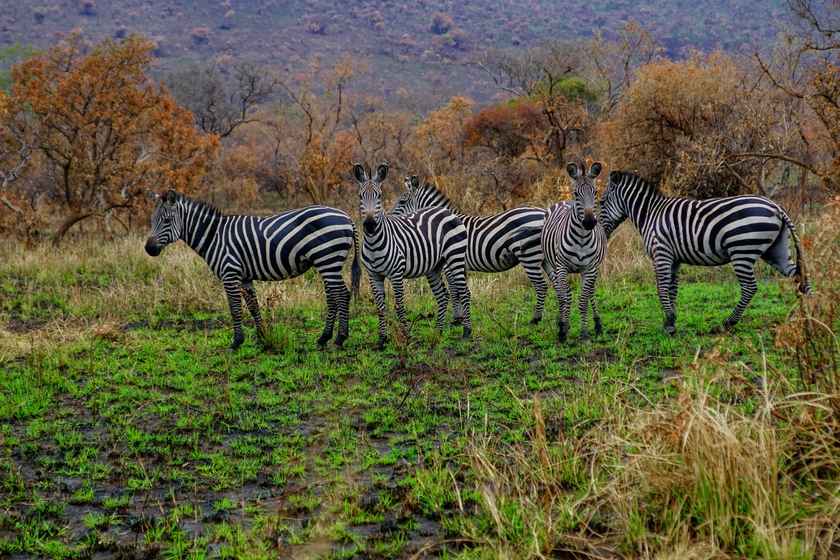
The Great Migration is a yearly event that sees millions of animals, primarily wildebeests and zebras, undertake a remarkable journey across the African savannah. It’s the ultimate wildlife spectacle, where animals traverse vast distances in search of fresh pastures and water sources. Picture this: a seemingly endless sea of wildebeests and zebras stretching as far as the eye can see, making their way from the Serengeti in Tanzania to the Maasai Mara in Kenya, and back again. It’s a true miracle of nature that’s also known as the “Greatest Show on Earth.”Serengeti National Park: The Stage for the Miracle
The Serengeti National Park serves as the primary stage for this incredible event. This UNESCO World Heritage site covers approximately 15,000 square kilometers and provides a sanctuary for an astonishing variety of wildlife. From the iconic Big Five (lion, leopard, elephant, buffalo, and rhinoceros) to cheetahs, giraffes, and countless bird species, the Serengeti is a treasure trove of African wildlife.The Wildebeest Migration: Awe-Inspiring Numbers
To truly grasp the scale of the Great Migration, consider the numbers. Over two million wildebeests, hundreds of thousands of zebras, and various other herbivores participate in this annual journey. It’s a mass movement that’s been ongoing for millennia and is driven by the need for food and water. The wildebeest migration alone covers a staggering 800 kilometers each year.Tanzania Safari: Witnessing the Miracle
For those seeking an unforgettable safari adventure, Tanzania offers a front-row seat to the Great Migration. Safari-goers have the opportunity to witness this natural wonder up close and personal. Imagine gazing out from the comfort of your safari vehicle as thousands of wildebeests and zebras stream past, accompanied by the roars of lions and the snorts of hippos in nearby rivers.African Wildlife: A Diverse Cast of Characters
The Great Migration isn’t just about wildebeests and zebras. It’s a complex ecosystem where each animal plays a vital role. Elephants shape the landscape, while hyenas and vultures clean up the remains. Giraffes nibble leaves from acacia trees, and crocodiles lurk in rivers, awaiting their chance to strike. This dynamic cast of characters adds depth and diversity to the spectacle.Predators and Prey: The Drama Unfolds
One of the most captivating aspects of the Great Migration is the predator-prey dynamic. Carnivores like lions, cheetahs, and hyenas follow the herds, ready to seize opportunities for a meal. The drama of a lioness stalking her prey or a cheetah sprinting after a young wildebeest is both thrilling and heart-wrenching, underscoring the harsh realities of life in the wild.Ecosystem Dynamics: The Circle of Life
The Great Migration isn’t just about survival; it’s about sustaining the delicate balance of the ecosystem. As herbivores graze, they shape the vegetation, making it easier for new plants to grow. Their droppings fertilize the soil, benefiting a multitude of other species. This intricate web of interactions highlights the circle of life in action.The Maasai Mara Connection: A Dual-Nation Spectacle
While the Serengeti hosts the early stages of the migration, the Maasai Mara in Kenya welcomes the herds in a spectacular grand finale. The crossing of the Mara River is a pivotal moment, fraught with danger as crocodiles lurk beneath the surface. The Maasai Mara offers a unique perspective on the Great Migration and provides an opportunity to explore another beautiful facet of East Africa.Wildlife Conservation Efforts: Protecting a Precious Heritage
Conservation efforts are crucial to preserving the Great Migration for future generations. The Serengeti and Maasai Mara are protected areas, but they still face threats from habitat loss and poaching. Dedicated organizations and governments work tirelessly to ensure the survival of these incredible ecosystems.Wildlife Photography: Capturing the Magic
For wildlife enthusiasts and photographers, the Great Migration is a dream come true. The opportunities for stunning shots are endless. The golden savannah, dramatic river crossings, and close encounters with iconic animals make for exceptional photography. It’s no wonder that photographers from around the world flock to the Serengeti and Maasai Mara to capture the magic.Bucket List Experience: Why You Must Witness It
Adding the Great Migration to your bucket list is a must for anyone with a love for wildlife and adventure. Witnessing this awe-inspiring spectacle will leave an indelible mark on your soul. It’s a humbling experience that reminds us of our connection to the natural world and the importance of preserving it for future generations.Nature’s Marvel: An Everlasting Impression
In conclusion, the Great Migration is not just a wildlife phenomenon; it’s a testament to the beauty and complexity of the natural world. It’s a reminder that we share this planet with countless other species, each with its own role to play. The circle of life, the drama of predator and prey, and the breathtaking landscapes of the Serengeti and Maasai Mara all combine to create a spectacle that truly deserves to be called Nature’s Marvel.Frequently Asked Questions (FAQs)
- What time of year can I witness the Great Migration in the Serengeti? The best time to witness the Great Migration is generally between July and October when the herds are in the northern Serengeti and Maasai Mara.
- Are there guided tours available for the Great Migration safari? Yes, there are many tour operators that offer guided safaris specifically focused on the Great Migration. These tours provide expert guides and comfortable accommodations.
- Is it safe to witness the Great Migration up close with children? While safaris are generally safe for children, it’s important to follow the guidance of your safari guide and exercise caution when near wild animals. Always prioritize safety.
- What is the significance of the Mara River crossing during the migration? The Mara River crossing is a critical part of the Great Migration as it involves the wildebeests and zebras navigating treacherous waters while avoiding crocodile attacks. It’s a spectacle of survival.
- How can I contribute to wildlife conservation efforts in the Serengeti and Maasai Mara? Supporting reputable wildlife conservation organizations, following ethical safari practices, and spreading awareness about the importance of preserving these ecosystems are great ways to contribute.